Transitioning to a Vegetarian Diet
Embarking on a journey to adopt a vegetarian lifestyle can be an incredibly rewarding and beneficial experience for both your health and the environment. However, making the transition can sometimes feel daunting, especially if you have been accustomed to a diet that includes meat for a long time. By following a few simple steps and being mindful of your choices, transitioning to a vegetarian diet can be a smooth and enjoyable process.
Understanding the Basics
Before diving into the world of vegetarianism, it is essential to understand the basics of what it means to follow a vegetarian diet. A vegetarian diet primarily consists of plant-based foods such as fruits, vegetables, grains, legumes, nuts, and seeds. It excludes all forms of meat, including poultry, seafood, and game meats. Some vegetarians may also choose to avoid animal by-products such as gelatin and rennet.
Making a Gradual Transition
For many people, making a sudden switch to a vegetarian diet can be overwhelming. Instead of trying to go cold turkey (pun intended), consider making a gradual transition. Start by incorporating more plant-based meals into your diet and gradually reducing your consumption of meat. This approach can make the transition feel more manageable and sustainable in the long run.
Experimenting with Plant-Based Recipes
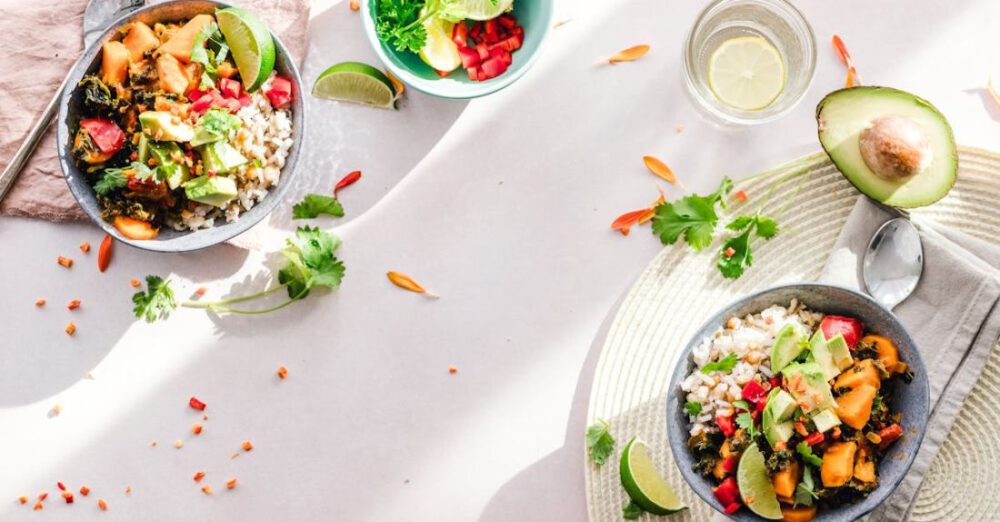
One of the most exciting aspects of transitioning to a vegetarian diet is the opportunity to explore new and delicious plant-based recipes. Get creative in the kitchen and experiment with different ingredients and cooking techniques. There are numerous resources available, from vegetarian cookbooks to online recipe blogs, that can inspire you to whip up flavorful and nutritious meat-free dishes.
Stocking Up on Vegetarian Staples
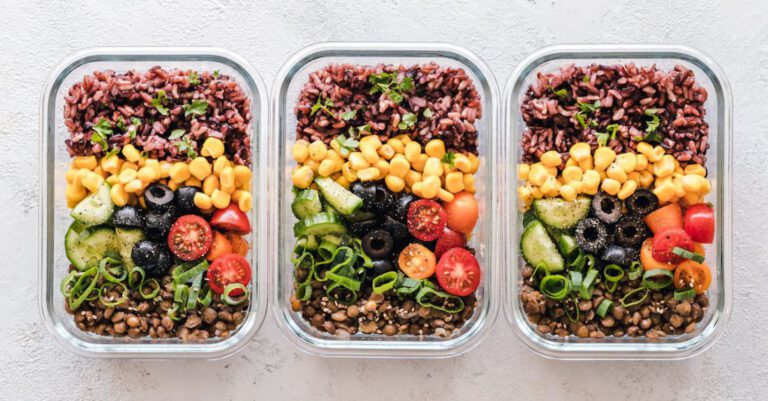
To make the transition to a vegetarian diet smoother, ensure your pantry and refrigerator are stocked with essential vegetarian staples. Items such as whole grains, beans, lentils, tofu, tempeh, nuts, seeds, and a variety of fruits and vegetables should be readily available to help you create balanced and satisfying meals. Having these ingredients on hand will make it easier to stick to your new dietary choices.
Eating Out Mindfully
Eating out at restaurants or social gatherings can sometimes pose a challenge for those transitioning to a vegetarian diet. Before dining out, take the time to research restaurants in your area that offer vegetarian options or are willing to accommodate special dietary requests. You can also look up the menu ahead of time to ensure there are suitable choices for you. Don’t be afraid to ask your server about vegetarian substitutions or modifications to menu items.
Navigating Social Situations
Transitioning to a vegetarian diet may also involve navigating social situations where meat-centric dishes are the norm. Be prepared to communicate your dietary preferences to friends and family members in a respectful manner. Consider offering to bring a vegetarian dish to gatherings or hosting a vegetarian-friendly potluck to introduce others to delicious meat-free options. Remember that your decision to adopt a vegetarian diet is a personal choice, and it is essential to stay true to your values while respecting the choices of others.
Staying Informed and Inspired
As with any lifestyle change, staying informed and inspired is crucial to maintaining a vegetarian diet successfully. Keep up to date with the latest research on vegetarian nutrition and health benefits. Connect with like-minded individuals through vegetarian social groups or online communities to share tips, recipes, and experiences. Drawing inspiration from others can help you stay motivated and committed to your vegetarian journey.
Embracing a Vegetarian Lifestyle
Transitioning to a vegetarian diet is not just about changing what you eat; it is about embracing a more mindful and compassionate way of living. By making conscious choices that align with your values and beliefs, you can positively impact your health, the environment, and animal welfare. Remember that the journey to a vegetarian lifestyle is unique to each individual, so be patient and kind to yourself as you navigate this exciting transformation.